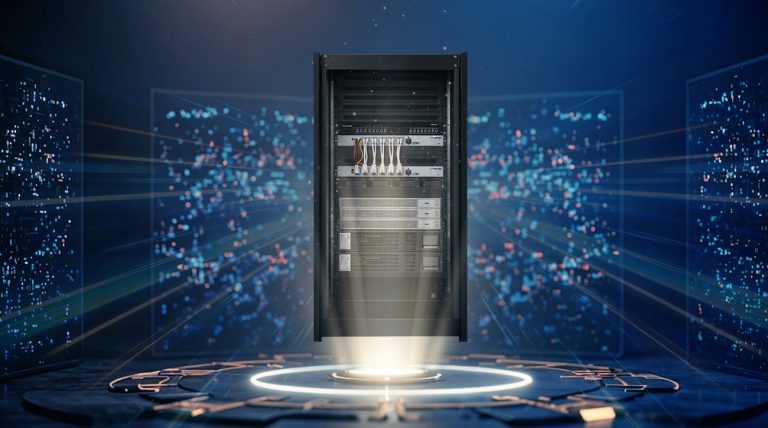
Why Maritime IT Teams Need a Single Pane of Glass
Centralized visibility is critical for fleet IT operations. Discover why maritime teams need a single pane of glass to manage vessel infrastructure.

Centralized visibility is critical for fleet IT operations. Discover why maritime teams need a single pane of glass to manage vessel infrastructure.
In the digital era, software applications have become a structural part of the business ecosystem in the maritime industry. As technology rapidly evolves, the pace that new challenges come up for any system and any team is growing every day.
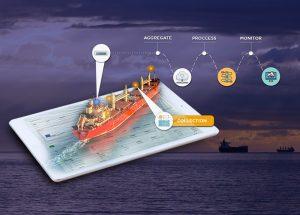
With vessels being equipped with the latest technology, sensors and software solutions, efficiency and cost savings are brought to the foreground. One of the most advanced and well-developed technologies nowadays is sensor technology, replacing many of the manual tasks, like examining equipment aboard ships.

The ability to optimize the delivery of goods from manufacturer to consumer is the key to a successful business.
At Marpoint, we calculate each stage of the project’s implementation, by forming a logical chain where each segment has its own rules of work and individual leaders.
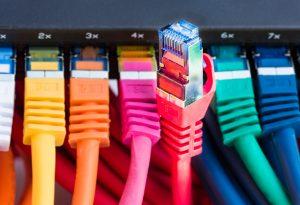
When you’re setting up a vessel’s network (Business and/or Crew), choosing the correct switches in networking can make all the difference in your network speed and configuration.

The importance of Change Management to Maritime Digital Transformation and Cyber Security The maritime world is increasingly connected, with the majority of newbuildings and in-service vessels being fitted with digital systems.

Providing the correct information to Seafarers in times of social crisis “To be informed about the unknown” In times of social crisis, the number one priority for people on board ships is to contact their family and social surroundings to hear them and know they are well.

The role of thin clients in the new IT reality in Maritime Save space onboard, comply & reduce costs What is a thin client? A thin client is a simple (low-performance) computer that has been optimized for establishing a remote connection with a server-based computing environment.

In 2021 we all witnessed that hacking skills from land-based systems and environments are easily transposable to a maritime environment.
The importance of Cyber Resilience Ransomware attacks are today’s piracy. It turns out that a ransomware cyber-attack can take down critical business operations of a shipping company for days, even weeks.