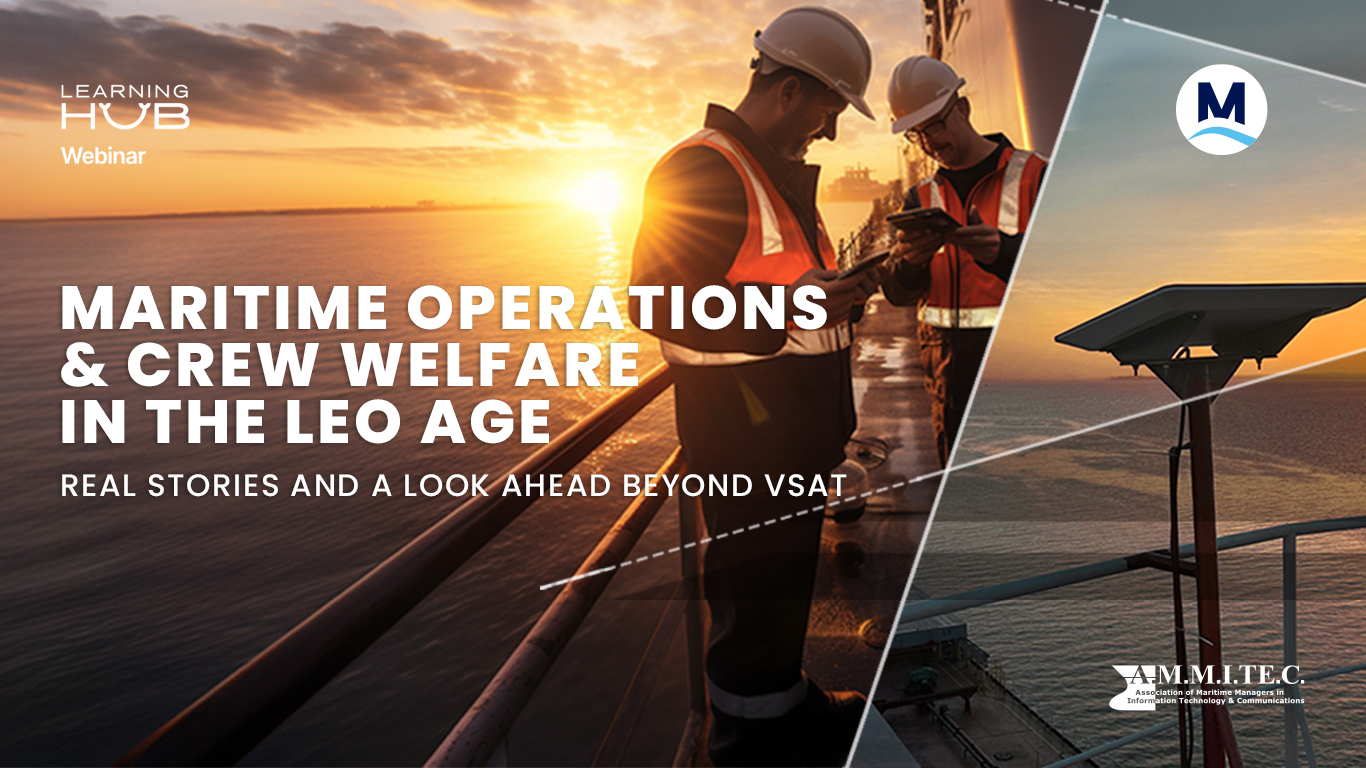
The recent Marpoint webinar, “Maritime Operations & Crew Welfare in the LEO Age,” provided valuable reflections on four years of integrating Starlink’s low Earth orbit (LEO) connectivity into maritime operations. Experts from Navarone SA, Ionic, Interunity Management, Ionia Management, and Esteus shared their experiences, highlighting the transformative impacts, challenges faced, and future considerations for maritime connectivity.
Key Lessons Learned:
🔹 Operational Efficiency: Starlink drastically reduced vessel support response times, streamlined IoT integration, and enabled unprecedented real-time data transfer. According to Kostas Sakellakos (Navarone SA) and Andreas Polidis (Ionic), vessels now function effectively as interconnected branch offices, vastly improving operational responsiveness.
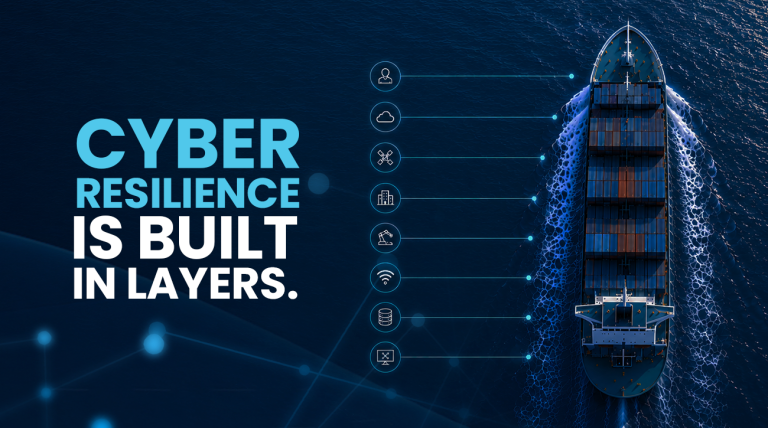
🔹 Cybersecurity Evolution: Andreas Polidis emphasized the critical cybersecurity benefits achieved through continuous monitoring and efficient system updates enabled by Starlink’s high bandwidth, significantly enhancing maritime cyber resilience.
🔹 Crew Welfare Transformation: Natasa Traikapi (Interunity Management Corporation) and Tania Sardidou (Ionia Management) discussed how reliable, high-speed internet significantly boosted crew morale, mental health, and retention. Enhanced communication with families, instant medical support, entertainment, and online training have become indispensable for crew well-being.
🔹 Addressing Emerging Challenges: The rapid adoption of Starlink highlighted several unforeseen challenges, such as crew distractions and unauthorized personal connectivity usage. Companies quickly adapted, implementing advanced network management policies and targeted training programs, supported by solutions like Marpoint’s EVO platform, to mitigate these risks effectively.
🔹 Industry Adaptation and Competition: Vasileios Tsialtas (Esteus) shared critical insights into the market’s adaptation, noting traditional satellite providers enhancing their services in response to Starlink’s dominance. This competitive environment offers maritime companies opportunities to optimize their connectivity strategies further.
🔹 Future of Maritime Connectivity: The webinar concluded by addressing concerns about Starlink’s potential monopoly and geopolitical vulnerabilities. Panelists anticipate hybrid connectivity solutions—combining Starlink, VSAT, and terrestrial 5G—as essential to securing resilient, cost-effective, and globally reliable maritime communications in the future.
Missed the webinar?
Watch the Full Recording and Stay tuned for the next one as we continue shaping the future of maritime IT & connectivity!
Final Thoughts:
Starlink’s journey in maritime has undeniably delivered profound benefits. Still, the maritime sector must remain agile and proactive in managing the evolving technological landscape, ensuring robust, secure, and sustainable connectivity solutions.